A Diver’s Guide to "Reef-Safe" Sunscreen
Let’s face it: the Florida sun can be brutal, and protecting your skin is non-negotiable. But did you know that what protects you on the boat could be harming the environment underwater?

The majority of chemical based sunscreens are made with oxybenzone and octinoxate. When you apply these products on your skin and then enter the water, those chemicals wash off the body and enter the ecosystem. This contributes to bleaching and damage to coral DNA. Fortunately, keeping your skin safe doesn't have to come at the expense of our reefs. Here are ways to transition to using coral friendly sunscreen:
Focus on Mineral Sunscreen
Mineral sunscreens are often seen as the best alternative to chemical sunscreens. They are formulated with ingredients that sit on the top layer of your skin to block UV rays. In contrast, chemical sunscreens actually get absorbed. Many dermatologists recommend mineral sunscreens for the face because they tend to be gentler and less irritating. Look for products where the only active ingredients are:
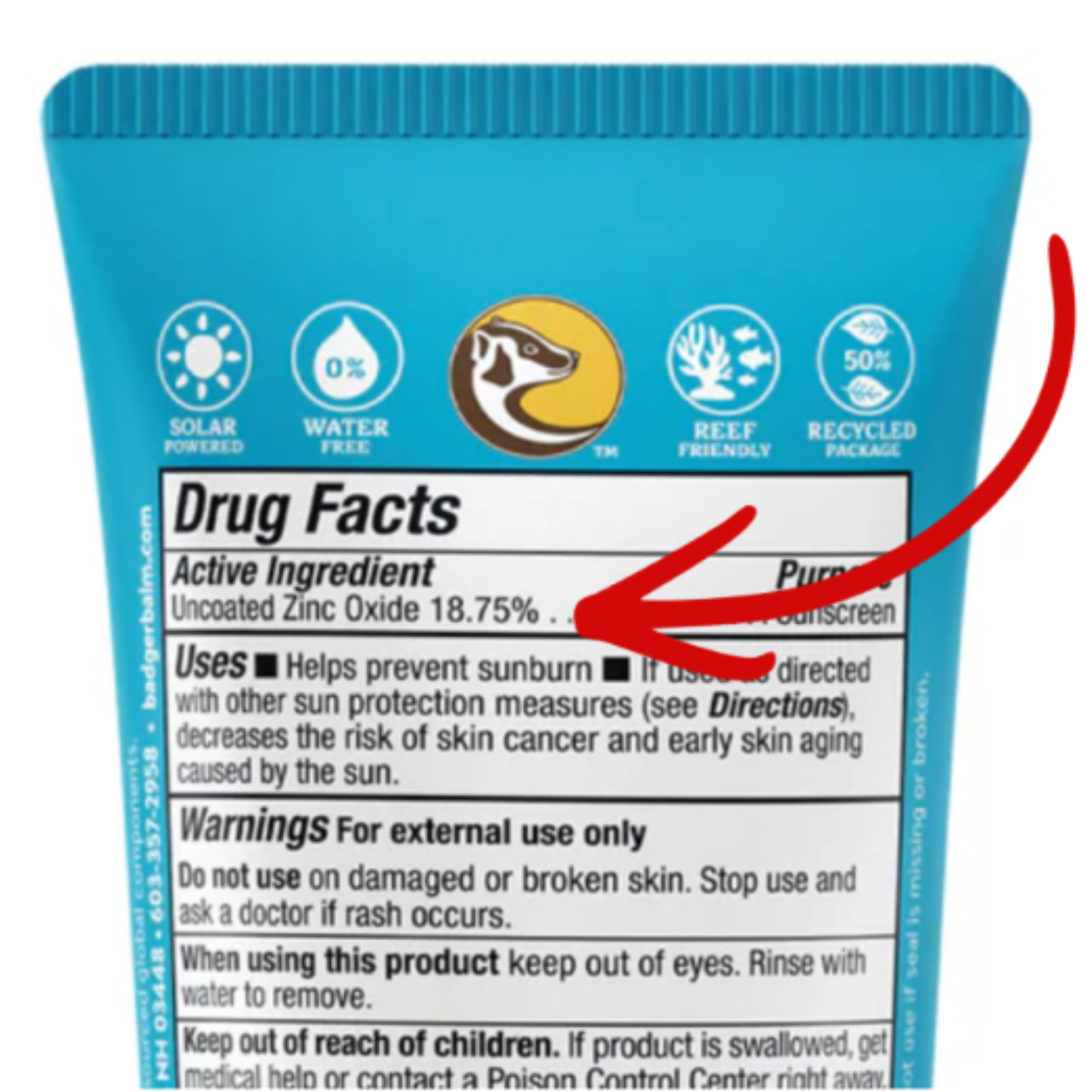
Zinc Oxide
Titanium Dioxide
Watch Out for Greenwashing
⚠️ Buyer Beware: The term “reef-safe” isn’t strictly regulated by law. Many companies use eco-friendly imagery on their packaging even when it still contains harmful chemicals. Always flip the bottle over and check the active ingredients yourself.
Reputable Brands to Try
If you're looking for a reliable place to start, these brands are widely recognized for their clean, mineral-based formulas:
Alternatives to Sunscreen
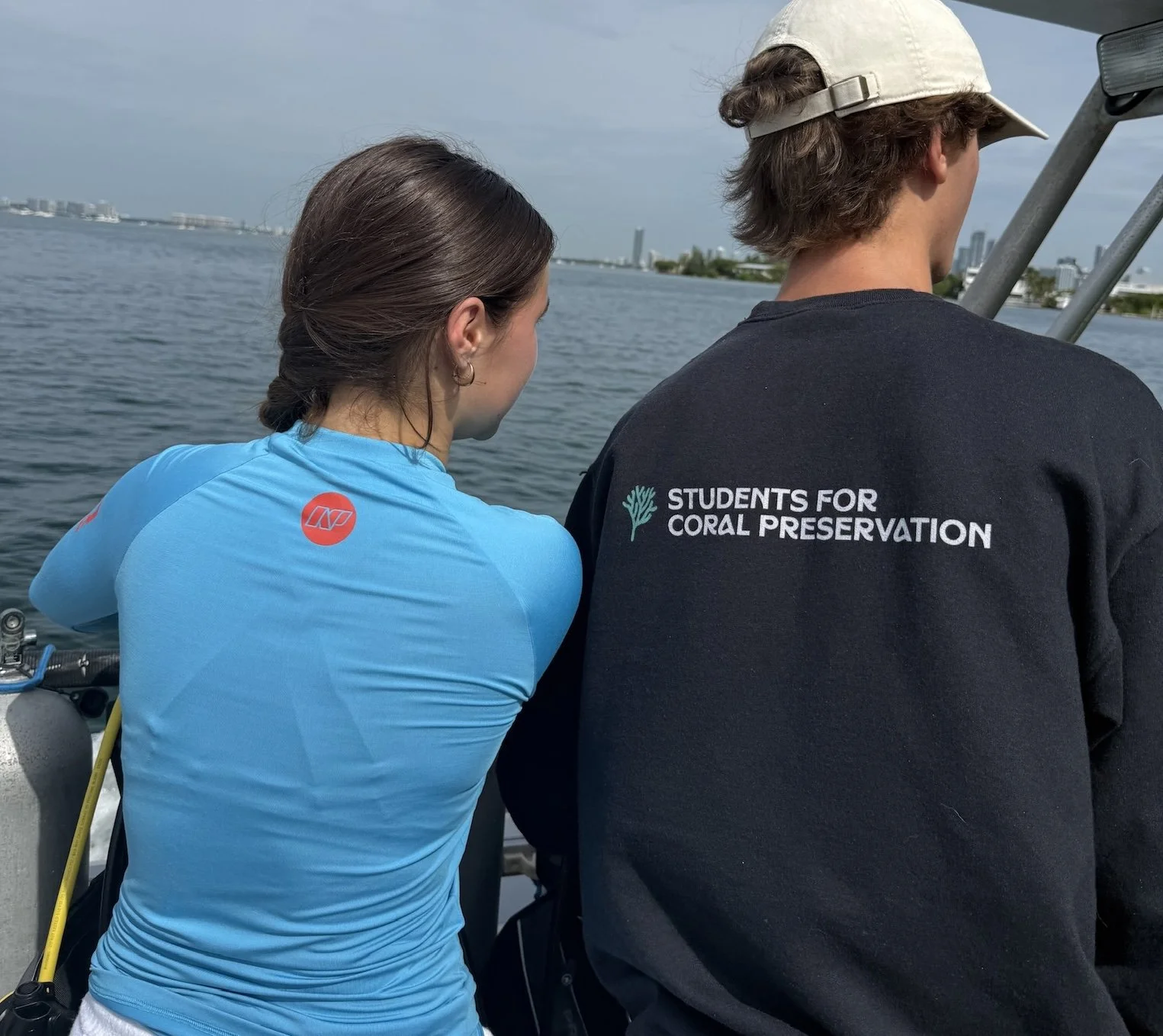
Some people don’t like the feeling of mineral sunscreen on their body, but there are many other options that keep your skin and the reef safe. These include sun hoodies, neck gaiters, rash guards, dive skins and more!
By making the switch to mineral sunscreen and sustainable products, you're taking a simple but an impactful step toward protecting the fragile underwater world we love to explore.